
May 8, 2026
In this Article:
● The snowball and avalanche methods are two popular debt repayment strategies.
● The snowball method prioritizes small debts to build momentum and motivation.
● The avalanche method targets high-interest debts first to save money on interest over time.
● Combining elements of both methods can create a personalized, effective debt payoff plan.
Estimated Reading Time: 12 minutes┃Post by: Jordan Blake
Paying off debt can feel like a never-ending uphill climb. For many beginners in personal finance, the key is not just cutting expenses but creating a strategic plan to eliminate debt efficiently and sustainably. Two of the most widely recommended strategies are the snowball method and the avalanche method. While both approaches aim to accelerate debt repayment, they operate on different psychological and financial principles. Understanding these differences can help you choose a plan that not only saves money but also keeps you motivated.
The Snowball Method
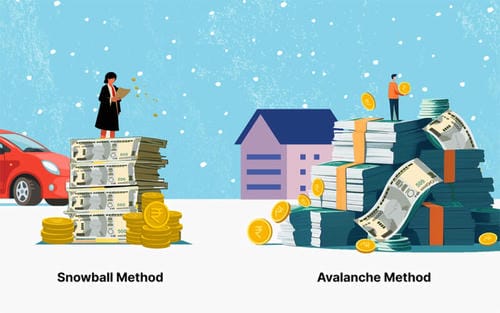
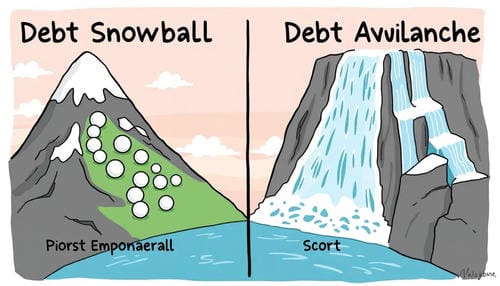
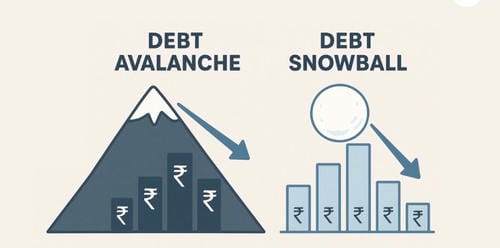
The snowball method focuses on small wins to build momentum. The concept is simple: you list all your debts from smallest balance to largest, regardless of the interest rate. You then make minimum payments on all debts except the smallest, to which you allocate as much extra money as possible. Once the smallest debt is paid off, you move to the next smallest, and so on, until all debts are cleared.
Example Scenario:

In this scenario, the $500 store card is the first target. By paying $125 per month ($25 minimum + $100 extra), the debt is cleared in 4 months, giving a sense of accomplishment and motivation to tackle the next debt.
Advantages of the Snowball Method
Psychological Boost and Motivation:
Paying off the smallest debts first creates a sense of accomplishment quickly. For example, eliminating a $500 store card in 3–4 months feels tangible and rewarding. This early “win” can motivate people who are easily discouraged by long-term debt repayment.
Simplicity and Focus:
The method is straightforward: always attack the smallest debt. Beginners in personal finance often find this simplicity comforting compared to complex strategies that require calculating interest and prioritizing high rates.
Builds Positive Habits:
By focusing on one debt at a time, borrowers develop discipline in budgeting, making timely payments, and tracking finances—skills that extend beyond debt repayment.
Encourages Consistency:
The visible progress of clearing small balances keeps momentum high. People are more likely to continue monthly payments when they can clearly see their efforts reducing actual numbers.
Useful for Emotional Spending Control:
Debt can be stressful. Snowballing provides tangible wins that reduce anxiety and help people resist impulsive spending because they see the financial benefits of sticking to a plan.
Disadvantages
Potentially Higher Interest Costs:
Focusing on small balances first, rather than high-interest ones, can mean paying more over time. For example, ignoring a $3,000 credit card at 22% while clearing a $500 low-interest balance could result in hundreds of dollars in extra interest.
Slower Overall Financial Efficiency:
From a purely mathematical perspective, snowballing isn’t the most cost-effective strategy because it doesn’t prioritize minimizing interest, which is the fastest way to reduce total debt.
May Encourage Risky Behavior if Misapplied:
Some may be tempted to continue small, high-interest purchases after paying off small debts, feeling overconfident due to early wins. Without discipline, this can backfire.
Less Effective for Large Debt Burdens:
For people with a few large high-interest debts and small low-interest debts, snowballing may delay addressing the most financially damaging balances.
Emotional Rewards May Diminish:
Once the initial small debts are cleared, remaining large debts can feel overwhelming, which may slow progress or reduce morale.
Understanding the Avalanche Method
The avalanche method focuses on minimizing interest costs by paying off debts with the highest interest rate first, regardless of balance. Like snowballing, you make minimum payments on all debts, but any extra funds go to the highest-interest debt. This method may take longer to show progress on small balances but reduces the total interest paid over the life of the debt.
Example Scenario:

Here, the $1,200 credit card with a 22% interest rate is prioritized. Paying $150 per month ($50 minimum + $100 extra) reduces the balance faster and limits interest accumulation. This method saves money in the long term but may feel slower psychologically because smaller debts linger longer.
Advantages of the Avalanche Method
Minimizes Total Interest Paid:
By targeting the highest-interest debt first, borrowers save the most money over time. For instance, paying a 22% credit card before a 10% loan reduces interest accrual and shortens overall repayment time.
Financially Optimal and Efficient:
Mathematically, the avalanche method ensures that each extra payment is working to reduce the costliest debt first, maximizing financial efficiency.
Faster Debt-Free Timeline (for High-Interest Debts):
If a large portion of your debt has a high interest rate, the avalanche method can clear balances faster because interest doesn’t compound as heavily as it would if ignored.
Encourages Strategic Financial Thinking:
This method teaches people to assess interest rates, calculate costs, and optimize payments—a skill that translates to better long-term financial planning.
Reduces Stress from Growing Interest:
High-interest debts grow quickly. Avalanche repayment directly attacks these, reducing the psychological and financial pressure of runaway interest.
Disadvantages
1. Slower Early Wins Can Reduce Motivation:
Unlike the snowball method, paying off a large high-interest balance first may take months before any debt is completely eliminated. Beginners may feel discouraged.
2. Requires More Discipline and Planning:
Calculating and prioritizing debts by interest rates is slightly more complex, which may overwhelm beginners who are not confident with numbers.
3. Less Tangible Progress on Small Debts:
A $500 small balance may sit untouched for months while a $3,000 high-interest debt is being paid. This can create a perception of stagnation.
4. Risk of Abandonment for Emotionally Sensitive Individuals:
People who rely on visual wins and positive reinforcement may abandon the plan due to frustration, potentially prolonging debt repayment.
5. May Require Frequent Adjustments:
Interest rates or debt balances can change due to new charges or rate adjustments, requiring ongoing recalculation to maintain efficiency.
Real-World Comparison
Let’s compare both methods with a more comprehensive example to see the difference in practice:
Scenario: Total debt = $5,200 across three cards
Card A: $500 at 18%
Card B: $1,200 at 22%
Card C: $3,500 at 16%
Monthly budget for debt repayment = $500

Analysis:
● Snowball: Faster initial wins, higher interest cost
● Avalanche: Lower interest cost, slower psychological reward
Choosing the Right Method for You
The choice between snowball and avalanche depends on personality, financial discipline, and goals:
Motivation vs Math:
If you struggle with sticking to a repayment plan, the snowball method provides quick wins to keep you motivated.
If you are disciplined and want to save the most money, the avalanche method is mathematically superior.
Debt Type Consideration:
High-interest credit cards benefit most from the avalanche method.
Small personal loans or store cards are psychologically easier to tackle first using the snowball method.
Hybrid Approach:
Many people use a hybrid strategy, paying off one or two small debts first for motivation, then switching to the avalanche method for remaining high-interest balances.
(This article is for educational purposes only and does not constitute financial advice. Individual circumstances vary, and it is recommended to consult with a licensed financial advisor before making significant financial decisions.)
FAQs
1. Can I switch between snowball and avalanche mid-plan?
Yes. Many people start with the snowball method for motivation and switch to avalanche to minimize interest once momentum is built.
2. Which method is better for student loans?
It depends on interest rates. If your student loans have low interest, snowballing smaller loans for motivation may work. For high-interest loans, avalanche saves more.
3. How much extra should I pay each month?
Ideally, pay as much above the minimum as your budget allows. Even an extra $50–$100 per month can dramatically reduce repayment time and interest.
About Author
Jordan Blake is a certified financial coach with over 10 years of experience helping individuals and families manage debt and improve credit scores. Jordan specializes in creating realistic, beginner-friendly financial strategies that combine behavioral psychology with proven money-management techniques.
References
[1] Consumer Financial Protection Bureau. (2021). Paying off debt: Snowball vs. Avalanche.
[2] NerdWallet. (2023). Debt repayment strategies.
[3] Investopedia. (2022). Snowball vs. Avalanche method for paying off debt.
Stay on this blog to explore more practical tips that make personal finance approachable and actionable for beginners.
Recommend:

How to Build Financial Security on a Low Income?
How Low-Interest Personal Loans Can Simplify Your Finances Without Harming Your Credit

Budget vs Expense Tracking: Understanding the Difference and Why You Need Both

The Cost of Comfort: How Everyday Luxuries Quietly Drain Your Wallet