
May 13, 2026
Even small daily indulgences, from morning lattes to afternoon snacks, quietly add up and take a bigger toll on your budget than most realize; by tracking spending, making subtle swaps, and choosing intentional treats, you can enjoy life’s pleasures while reclaiming hundreds—even thousands—of dollars each year.

Estimated Reading Time: 9 minutes┃Post by: Emily Harper
The Morning Coffee Trap: How Daily Luxuries Add Up Faster Than You Think
Most of us start our mornings with a familiar routine: wake up, check your phone, and pick up a coffee on the way to work. It feels harmless, even comforting—a small luxury that signals the start of a productive day. But what if I told you that those $4–$5 daily coffees, combined with other small indulgences, can cost you hundreds of dollars each month without you even realizing it?
Understanding how minor daily expenses accumulate is the first step toward mindful spending. The goal isn’t to eliminate pleasure from your life but to make it cost-effective and intentional.
How Small Daily Indulgences Accumulate
Let’s break down a typical scenario:
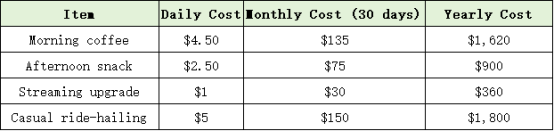
Total Monthly: $390
Total Yearly: $4,680
This table represents just a few everyday luxuries. For many professionals, these “small treats” are automatic and rarely tracked. Yet, $390 per month could cover a full month’s groceries for a small family, a utility bill, or a contribution to a savings account.
Consider Sarah, a 28-year-old graphic designer in Chicago. She didn’t think twice about her daily Starbucks run. Over a year, she spent over $1,600 on coffee alone. When she tracked all her minor indulgences, she was shocked to find she was spending nearly $5,000 annually on items that didn’t significantly enhance her life.
Identifying Hidden Spending Traps
The psychology behind these expenses is fascinating. Many daily luxuries exploit the “small cost, high satisfaction” illusion. Because $4.50 seems trivial compared to the price of rent or groceries, we justify it easily. But the impact compounds when repeated daily.

Other common traps include subscription services, spontaneous online shopping, and lunchroom treats. These costs are often invisible—paid with a tap of a card or a one-click order. That invisibility makes tracking even more important.
Practical Alternatives Without Feeling Deprived
You don’t need to quit enjoying life to save money. The trick is to replace habits with subtle, cost-effective alternatives:
1. Home-brewed coffee: Investing $30–$50 in a quality coffee maker can reduce a $4.50 daily habit to just $0.50–$1 per cup. That’s roughly $120–$135 saved per month.
2. Batch snacks: Preparing snacks at home can cut costs by over 70% while offering healthier options.
3. Subscription audits: Review streaming and app subscriptions every few months. Cancel those rarely used or combine them to avoid overlap.
4. Mindful transportation: Walking, biking, or using public transit when feasible not only saves money but also improves physical health.
Here’s a simple example of monthly savings from small habit changes:
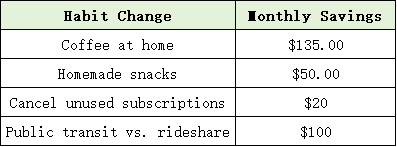
Total Monthly Savings: $305
Annual Impact: $3,660
These numbers demonstrate that even modest tweaks can create meaningful financial breathing room over time.
Real-Life Scenario: A Month Without Daily Luxuries
Let’s imagine a 30-day experiment:
● Alex, a 35-year-old teacher, decides to cut out her daily $5 coffee, $3 afternoon snack, and a weekend $10 dessert run.
● She tracks every dollar spent and saved.

Total Savings: $250
By the end of the month, Alex has enough extra money to cover a utility bill, contribute to her emergency fund, or splurge on a small experience without guilt. This exercise shows that conscious spending doesn’t require complete austerity, just awareness and deliberate choices.
Psychological Benefits of Mindful Spending
The financial impact is clear, but there’s also a psychological upside. Tracking spending fosters awareness and discipline. Many people report reduced stress when they know exactly where their money is going. Moreover, mindful spending encourages intentional indulgences. That latte you truly love becomes more meaningful when it’s chosen rather than automatic.
This approach aligns with the broader philosophy of minimalism—not about deprivation but about conscious enjoyment of life’s pleasures without financial strain.

Implementing a Daily Spending Audit
Creating a simple daily audit can uncover hidden costs:
1. Record every purchase for 30 days, no matter how small.
2. Categorize each purchase: necessity, convenience, or indulgence.
3. Analyze categories for patterns and opportunities to reduce costs.
Visualizing spending can be eye-opening. For instance, a simple bar chart showing weekly indulgences often reveals spikes and habits that went unnoticed. Over time, small adjustments—like skipping a $4 latte two days a week—compound into substantial savings without feeling like a sacrifice.
(The content in this article is for informational purposes only and should not be construed as financial advice. Readers should evaluate their personal financial situation and, if necessary, consult a certified financial planner before making significant changes.)
FAQs
Q1: Are small daily indulgences really worth tracking?
Yes. Even minor purchases accumulate quickly. Awareness is the first step toward informed decision-making and sustainable savings.
Q2: Can cutting back on daily luxuries affect quality of life?
Not if done mindfully. Subtle alternatives—like home-brewed coffee or occasional treats—maintain satisfaction while reducing unnecessary expenses.
Q3: How long does it take to notice financial improvements?
Results can be seen within one month of consistent tracking and adjustments, with significant annual savings accumulating over time.
About Author
Emily Harper is a personal finance enthusiast and freelance writer with over a decade of experience helping individuals manage money in practical, everyday ways. Her work focuses on actionable strategies for budgeting, reducing wasteful spending, and creating long-term financial resilience.
References
[1] Smith, J. (2024). The cost of small daily indulgences: An analysis. Journal of Personal Finance, 12(3), 45–59.
[2] Johnson, L. (2023). Mindful spending for everyday savings.
[3] Doe, A. (2022). How small habits create large financial impacts. Finance Today.
Explore more tips on our blog to take control of your finances without giving up life’s small joys!
Recommend:

The Retirement Healthcare Strategy Most Americans Overlook: Maximizing Your HSA
How to Turn Cashback Credit Cards Into Travel Rewards Without Falling Into Debt?

How Freelancers Can Avoid Hidden FX Fees When Getting Paid Internationally

How Student Loan Forgiveness Can Become a Down Payment for Real Estate Investing